
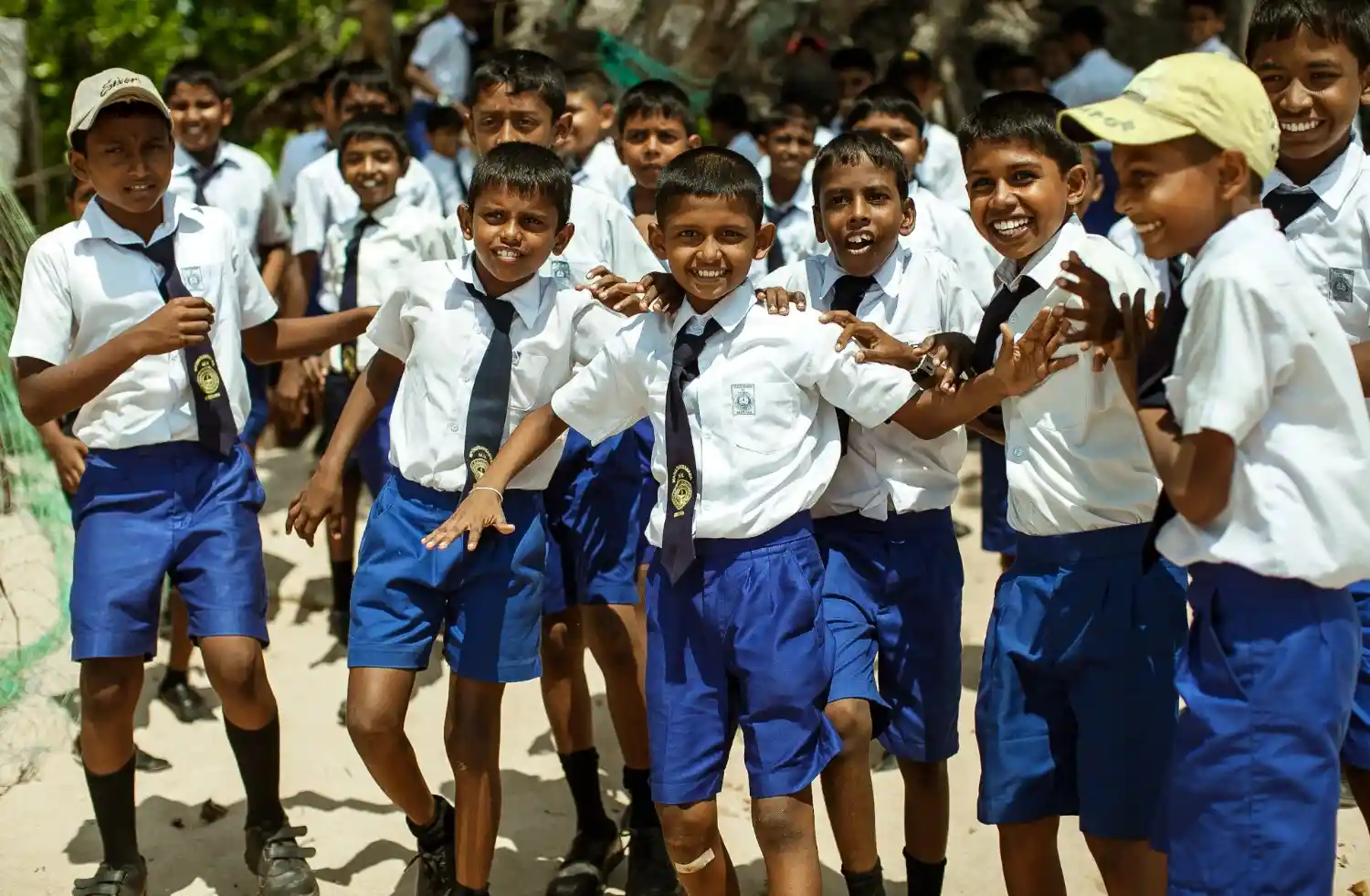
Education is often described as one of the most powerful tools a person can have. It opens doors to opportunity, builds confidence, and allows individuals to shape their own futures. Yet for millions of children and young people around the world, access to quality education is still far from guaranteed.
In many underserved communities, the path to education is filled with obstacles. These barriers are not always obvious from the outside. Sometimes they appear as financial struggles, limited infrastructure, lack of resources, or social challenges that make it difficult for students to stay in school. For families already facing daily hardships, education can feel like a distant goal rather than a realistic opportunity.
Breaking these barriers requires more than simply building schools or distributing textbooks. It requires understanding the real challenges communities face and working together to create solutions that are practical, inclusive, and sustainable.
The Reality Behind Educational Barriers
When people think about barriers to education, the first thing that often comes to mind is poverty. Financial hardship certainly plays a major role. In underserved communities, many families must prioritize basic needs such as food, shelter, and healthcare. School-related expenses—uniforms, transportation, books, and supplies—can quickly become overwhelming.
For some families, sending children to school also means losing valuable help at home or in family businesses. Children may be expected to contribute to household income or assist with daily responsibilities. While education is valued, survival often takes priority.
Infrastructure can also create significant challenges. In some areas, schools may be located far from where students live. Long travel distances, unsafe roads, or lack of transportation can discourage attendance, especially for younger children.
In other cases, schools may exist but lack essential resources. Overcrowded classrooms, limited teaching materials, and insufficient training for educators can affect the quality of education students receive. When learning environments are under-resourced, students may struggle to stay motivated or engaged.
Social and Cultural Challenges
Beyond financial and infrastructure issues, social factors can also affect access to education.
In some communities, traditional expectations may influence whether children—particularly girls—continue their education. Early marriage, household responsibilities, or cultural perceptions about gender roles can limit educational opportunities for many young people.
Language barriers can also make learning difficult. Students who speak local languages at home may face challenges if schools primarily teach in a different language. This can create confusion and reduce confidence, especially during early years of learning.
Another challenge is the lack of mentorship and encouragement. When students grow up in environments where few people have completed higher education, it can be difficult for them to imagine those opportunities for themselves.
Role models matter. When children see others from their community succeed through education, it helps them believe that similar paths are possible for them.
The Importance of Community Involvement
Addressing educational barriers requires the involvement of entire communities. When parents, educators, community leaders, and organizations work together, meaningful change becomes possible.
Community support can encourage families to prioritize education and recognize its long-term benefits. Local leaders often play an important role in raising awareness about the importance of keeping children in school and supporting educational initiatives.
When communities actively participate in shaping educational programs, those programs are more likely to reflect local needs and values. This collaborative approach helps create solutions that are not only effective but also sustainable.
For example, community-led initiatives may include tutoring programs, mentorship opportunities, or local learning centers that provide additional support for students who need it.
Creating Safe and Supportive Learning Environments
A supportive learning environment goes far beyond the classroom itself. Students need spaces where they feel safe, respected, and encouraged to learn.
Teachers play a critical role in creating these environments. When educators are equipped with the right tools, training, and resources, they can inspire curiosity and build strong connections with their students.
Encouraging active learning, creativity, and collaboration can help students feel more engaged in their education. When students feel that their voices matter and their ideas are valued, learning becomes a more meaningful experience.
Support systems such as mentorship programs, peer groups, and extracurricular activities can also help students build confidence and develop essential life skills.
The Role of Technology and Innovation
In recent years, technology has created new opportunities to expand access to education in underserved communities. Digital learning platforms, mobile applications, and online resources can help bridge gaps where traditional educational systems face limitations.
However, technology alone cannot solve every challenge. Access to devices, internet connectivity, and digital literacy must also be considered.
When technology is thoughtfully integrated into educational programs, it can complement traditional teaching methods and provide students with new ways to explore knowledge.
Blended learning approaches—combining in-person instruction with digital resources—can offer flexible learning experiences that adapt to different needs.
Empowering Students for the Future
Ultimately, the goal of education is not only to provide knowledge but also to empower individuals to shape their own futures.
Students who receive quality education gain more than academic skills. They develop confidence, critical thinking abilities, and the capacity to solve problems creatively. These skills enable them to contribute meaningfully to their communities and pursue opportunities that might otherwise remain out of reach.
Education also has a powerful ripple effect. When one child receives access to education, it can influence families, future generations, and entire communities.
Educated individuals are more likely to support education for their own children, creating a cycle of learning that strengthens communities over time.
Moving Forward Together
Breaking barriers to education is not a task that can be completed overnight. It requires consistent effort, collaboration, and a shared commitment to ensuring that every child has the opportunity to learn and grow.
Organizations, educators, community leaders, and individuals all have roles to play in this effort. By working together, it becomes possible to address challenges, build supportive environments, and create pathways for students to reach their full potential.
At Connect Hands, we believe that education should be accessible to everyone, regardless of their background or circumstances. By supporting initiatives that expand educational opportunities and strengthen communities, we hope to contribute to a future where every child has the chance to learn, dream, and succeed.
Because when education becomes accessible, possibilities grow—and communities become stronger for generations to come.
Related Post
Small Acts, Big Impact: How Kindness Changes Lives
In a world that often feels overwhelming, it’s easy
How Volunteers Create Lasting Change
Every meaningful movement begins with people who care enough